I believe mathematics instruction should go beyond memorization and procedures. In the early elementary classroom, conceptual understanding is key—helping students grasp why math works, not just how to get the answer.
In the math classroom, students explore, ask questions, and construct meaning. Instruction is grounded in our standards and informed by research-based practices.
This approach includes:
- Math talks and number strings to develop flexible thinking and reasoning
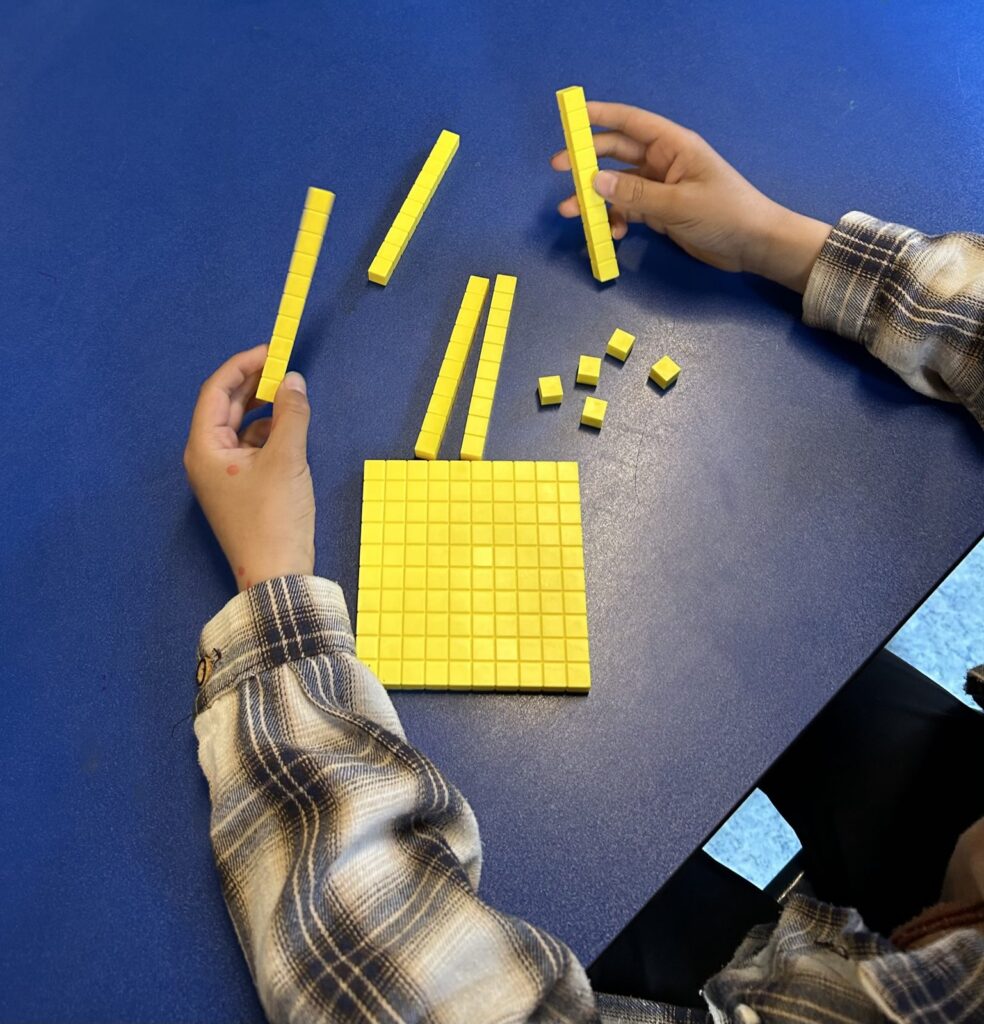
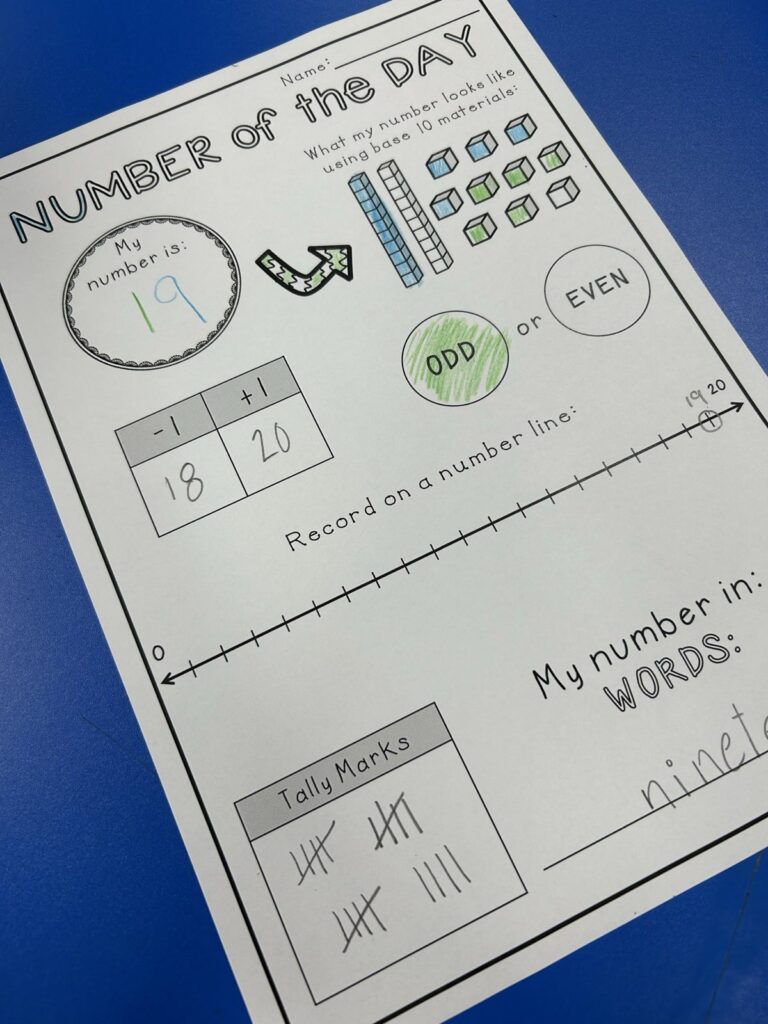
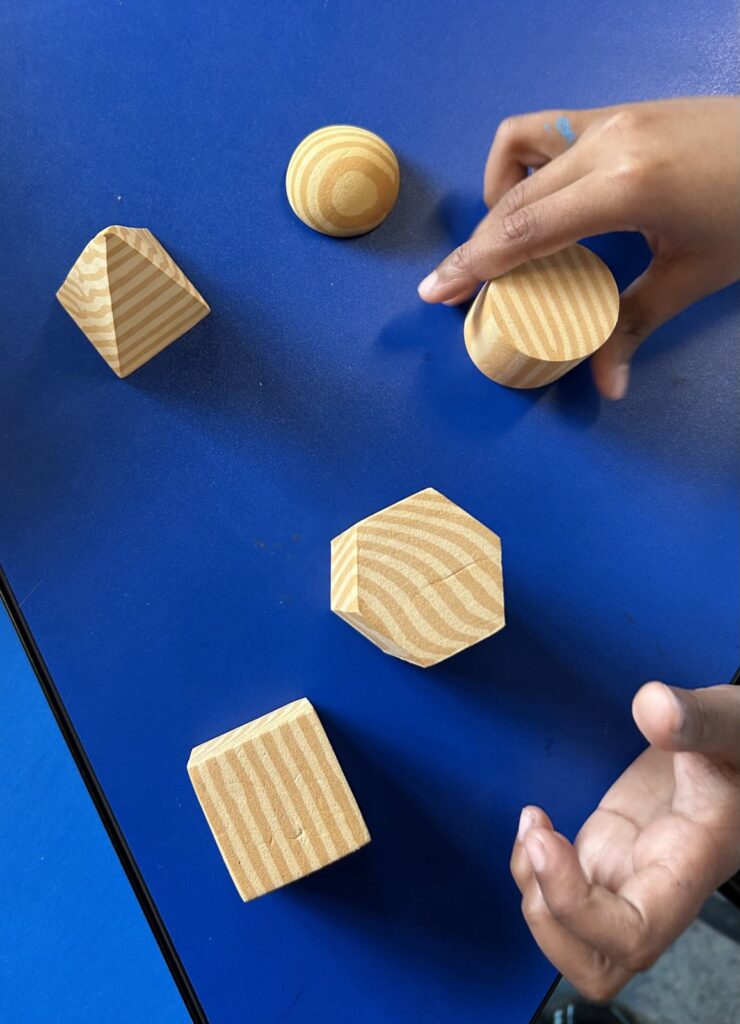
- Hands-on manipulatives (e.g., rekenreks, base-ten blocks, ten frames) to support concrete–representational–abstract progression
- Story problems and open-ended tasks that make math meaningful and promote problem-solving
- Visual models like number lines and part-part-whole diagrams to clarify relationships between numbers
The goal is for students to become confident and curious, to “think like a mathematician,” and to see math as both useful and understandable. Encouraging them to explain their thinking and try different strategies nurtures a growth mindset and lays the groundwork for future success in mathematics.